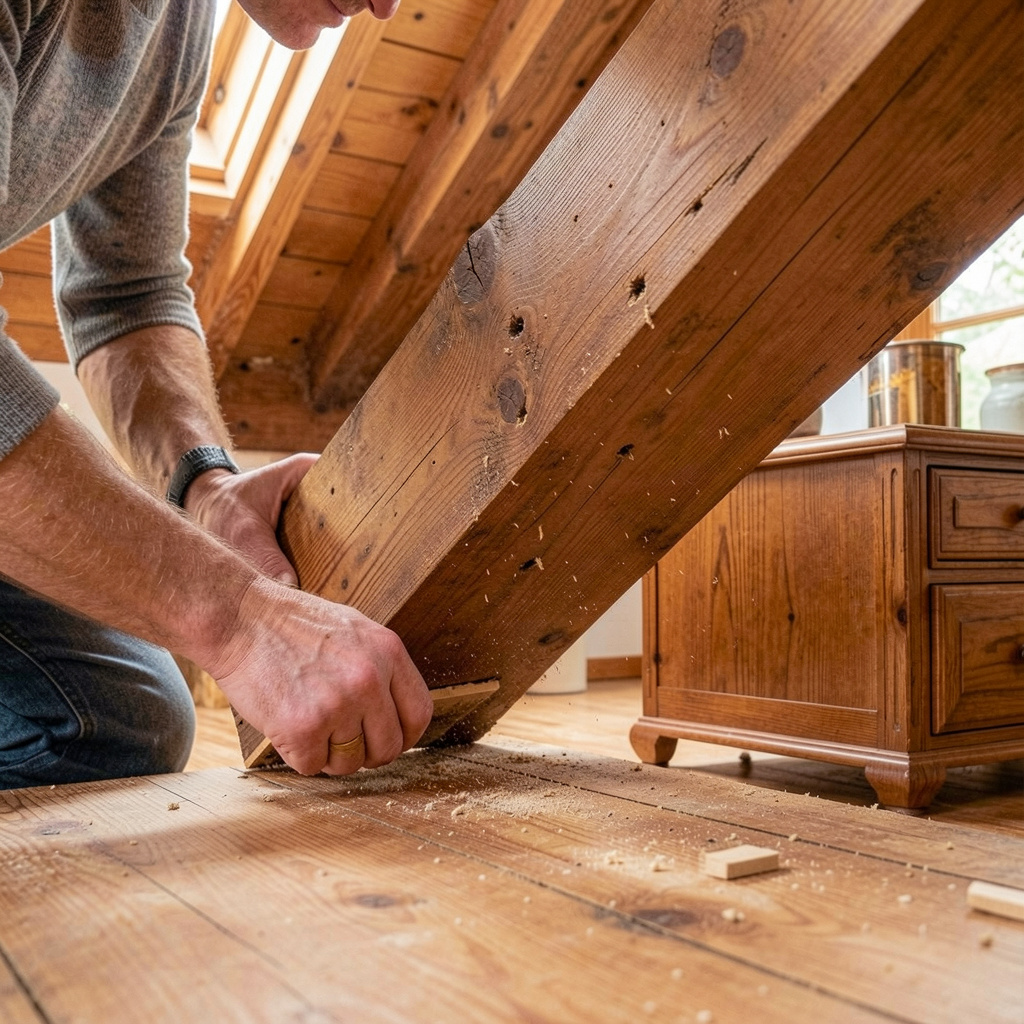
Wooden furniture adds beauty, warmth, and character to any home. Whether it is antique furniture, wooden cabinets, dining tables, chairs, or decorative pieces, timber furniture often becomes a valuable part of everyday living. However, over time, wood can become vulnerable to pests, moisture, mold, dryness, and wear.
Many homeowners traditionally rely on chemical sprays or strong wood preservatives to protect furniture. Today, however, more people are looking for chemical-free ways to treat wooden furniture, especially in homes with children, pets, or individuals sensitive to strong odors and chemicals.
The good news is that wooden furniture can often be treated and protected without harsh chemicals. Prevention, moisture control, heat-based methods, regular cleaning, and gentle wood care can help maintain furniture safely while preserving its natural beauty.
Many homeowners researching timber care through shashel.eu/ increasingly prefer non-toxic furniture care because it helps preserve wood while creating healthier indoor environments.
In this guide, we will explain how to treat wooden furniture without chemicals and keep timber in excellent condition for years.
Why Avoid Chemical Treatments?
Many homeowners want gentler wood care methods.
Common Reasons Include
- Strong chemical odors
- Indoor comfort concerns
- Family and pet safety
Why Non-Chemical Care Is Growing
People increasingly prefer:
- Healthier living spaces
Balanced furniture care matters.
Healthy homes feel more comfortable.
Start by Inspecting the Furniture
Before treatment:
Check furniture carefully
Warning Signs to Look For
Inspect for:
- Tiny holes
- Powdery dust
- Cracks
- Weak joints
Why Inspection Matters
Early detection helps prevent larger problems.
Routine checks improve long-term protection.
Many homeowners exploring timber care through shashel.eu understand that regular inspection is one of the easiest ways to protect furniture naturally.
Keep Wooden Furniture Dry
Moisture is one of wood’s biggest enemies.
Why Dry Conditions Matter
Damp wood becomes vulnerable to:
- Mold
- Woodworm
- Weakening
Helpful Tips
Avoid placing furniture in:
- Damp rooms
Fix:
- Leaks quickly
Dry wood naturally lasts longer.
Improve Indoor Ventilation
Healthy airflow protects furniture.
Why Ventilation Helps
Good airflow helps:
- Reduce humidity
- Prevent moisture buildup
Helpful Areas to Focus On
Improve airflow in:
- Storage rooms
- Basements
Healthy environments protect wood naturally.
Ventilation matters.
Use Heat Treatment for Hidden Pests
Heat-based treatment can help protect furniture naturally.
How Heat Treatment Works
Controlled warmth helps eliminate:
- Hidden insects
- Larvae
Why Homeowners Prefer It
Heat treatment:
- Avoids harsh chemicals
This is especially useful for:
- Antique furniture
Gentle treatment protects delicate wood.
Microwave Treatment for Woodworm
Microwave technology is becoming increasingly popular.
How It Works
Microwave energy heats moisture inside wood and insects.
This helps destroy:
- Eggs
- Larvae
- Adult pests
Why Furniture Owners Choose It
Microwave treatment:
- Reduces chemical exposure
It works especially well for:
- Hidden woodworm activity
Professional assessment improves results.
Clean Furniture Regularly
Routine cleaning helps maintain wood naturally.
Helpful Cleaning Habits
Regularly:
- Remove dust
- Clean surfaces gently
Why This Matters
Dirt and moisture buildup may weaken wood over time.
Gentle care improves durability.
Consistency matters.
Use Natural Protective Oils
Some homeowners prefer natural wood maintenance.
Benefits of Natural Oils
Protective oils may help:
- Reduce dryness
- Improve appearance
Best Uses Include
- Tables
- Cabinets
- Decorative wood
Gentle maintenance helps preserve furniture.
Routine care improves lifespan.
Protect Furniture From Excess Moisture
Humidity damages wood over time.
Helpful Prevention Tips
Avoid placing furniture near:
- Leaking windows
- Damp walls
Why This Matters
Moisture increases the risk of:
- Mold
- Wood damage
Dry conditions protect furniture.
Repair Small Damage Early
Minor issues should never be ignored.
Common Problems Include
- Loose joints
- Small cracks
Why Fast Repairs Matter
Small problems grow larger over time.
Early care protects furniture value.
Healthy wood lasts longer.
Store Wooden Furniture Properly
Storage conditions affect durability.
Best Storage Conditions
Keep furniture:
- Dry
- Well ventilated
Avoid:
- Damp garages
- Humid basements
Healthy storage protects timber naturally.
Protect Antique Furniture Carefully
Antique furniture requires special care.
Why Gentle Treatment Matters
Older wood may become:
- Fragile
Best Practices Include
- Avoid harsh products
- Inspect regularly
Preserving original materials helps maintain value.
Gentle care works best.
Common Mistakes Homeowners Make
Ignoring Moisture Problems
Dampness weakens wood.
Skipping Inspections
Hidden damage spreads quietly.
Overusing Harsh Cleaning Products
Gentle care often works better.
Delaying Repairs
Small issues become expensive later.
Routine maintenance matters.
Long-Term Benefits of Chemical-Free Furniture Care
Choosing chemical-free treatment offers many advantages.
Benefits Include
- Better indoor comfort
- Reduced chemical exposure
- Longer furniture lifespan
- Healthier living spaces
Healthy furniture improves the home.
Prevention saves money.
Conclusion
Treating wooden furniture without chemicals is possible through regular inspections, moisture control, ventilation, heat-based treatment, microwave technology, gentle cleaning, and natural maintenance practices. These methods help preserve furniture while reducing unnecessary chemical exposure inside the home.
Keeping furniture dry, repairing small damage early, and maintaining healthy indoor conditions are some of the best ways to protect wood naturally.